
Content Library

It’s not just the book industry that’s dealing with a challenging retail landscape: across the country, retailers are grappling with consolidation in the trade, the shift to online shopping, and more.
By thinking about books in terms of the competition for a customer’s time and as a leisure activity, we may be able to capitalize on some of digital’s natural advantages.
We’re all familiar with — one representation of an underlying data model. Learn about other possibilities — for example JSON, other forms of RDF, and discuss why there’s no one right expression.
What talents and sensibilities must publishers seek, and should they be hiring from outside industries, cultivating those skills in-house, investing in educational programs, or all three?
Our panel covers the state of standards compliance and speculates on the best path forward.

Supersize your sales data basics by looking at how successful businesses leverage their data, how to use numbers to answer your questions, and how use your data for experimentation and flexibility.

Len Vlahos (BISG) highlights results from Student Attitude reports, diving deep into how U.S. college students acquire, use, and interact with course material in both print and digital format.
What does a digital-native comic look like? How does the graphic narrative form benefit from techniques like responsive design, and tools like version control systems and APIs?
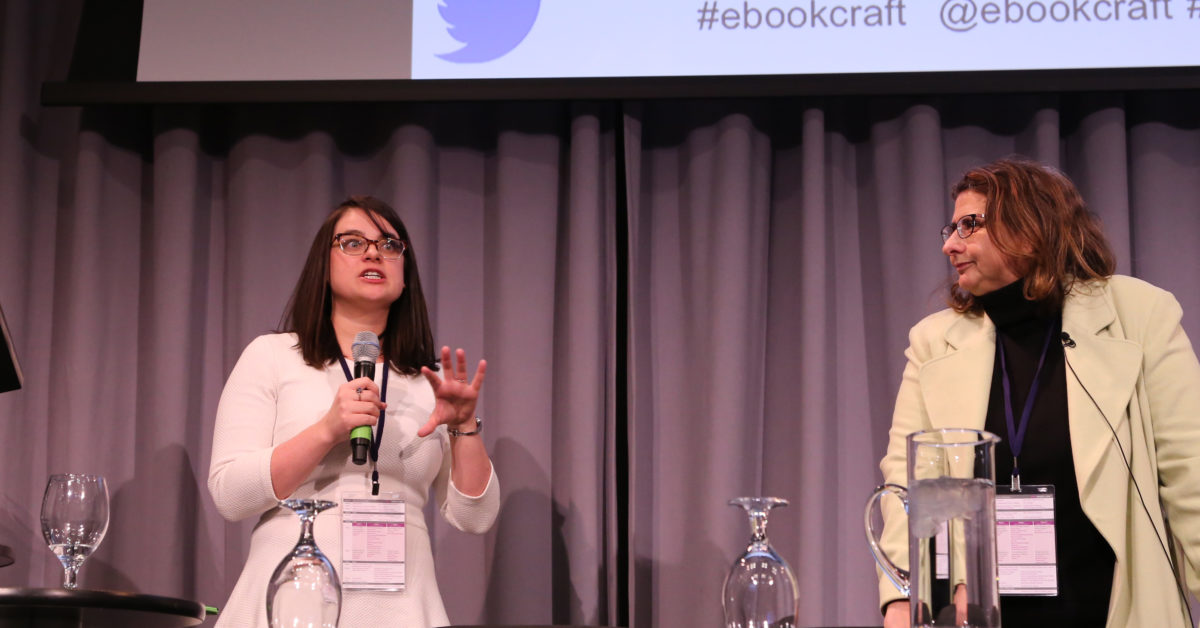
Wattpad and Sourcebooks have tested out a number of publishing experiments together, and in this session, they reveal what they’ve learned.
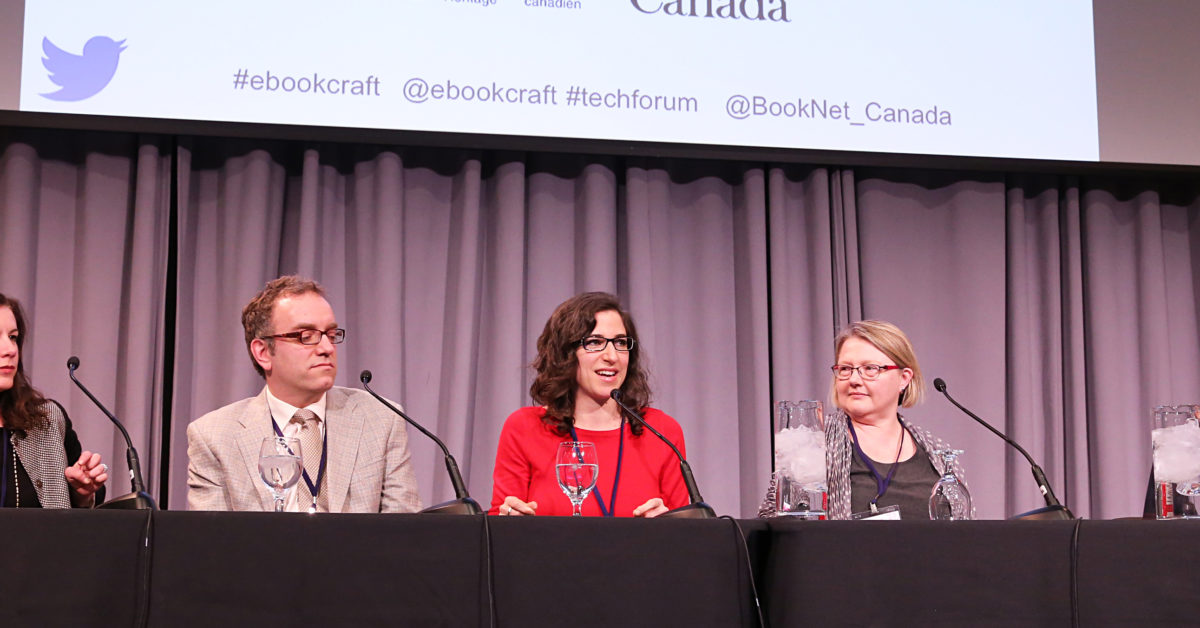
As publishers, we’ve become experts at managing change, and in some cases we’ve come to embrace it. We’re no longer just experimenting; we’re strategizing and planning for the future.
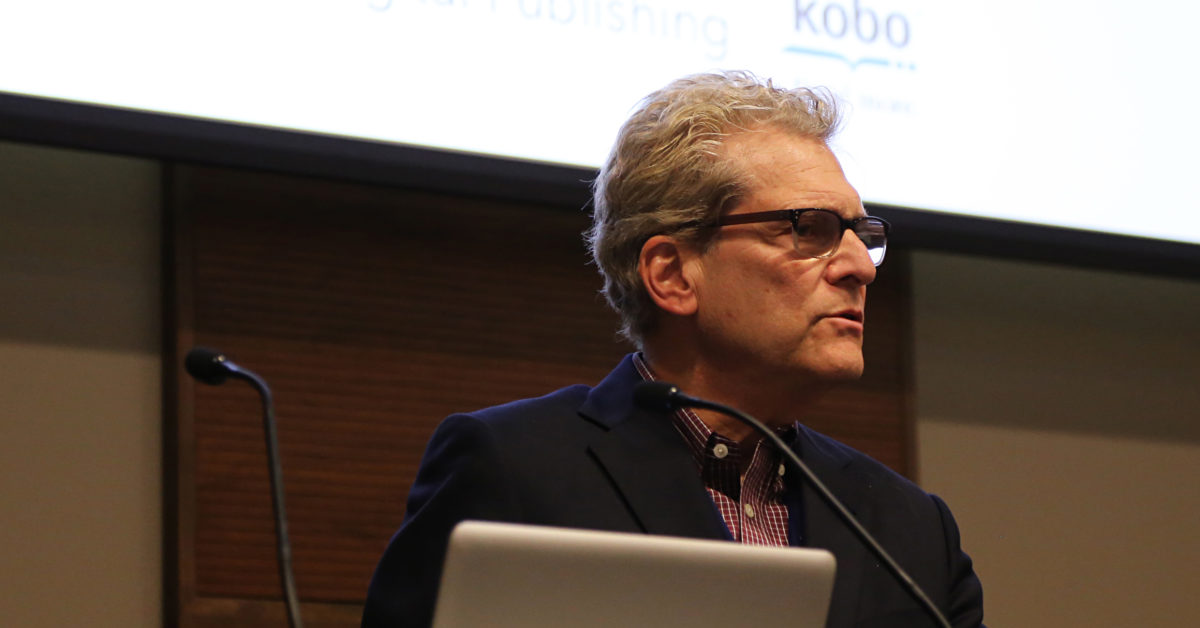
Myles Fuchs presents useful insights and various “entry points” to digital publishing for iOS and Android apps, ebooks for leading platforms, and to the web from single source content.
Books are set to become the next big forum for public thinking — as readers begin sharing their ideas and arguing in the margins. How will this transform the way we read, discover, and enjoy books?