

By thinking about books in terms of the competition for a customer’s time and as a leisure activity, we may be able to capitalize on some of digital’s natural advantages.
2014

It’s not just the book industry that’s dealing with a challenging retail landscape: across the country, retailers are grappling with consolidation in the trade, the shift to online shopping, and more.
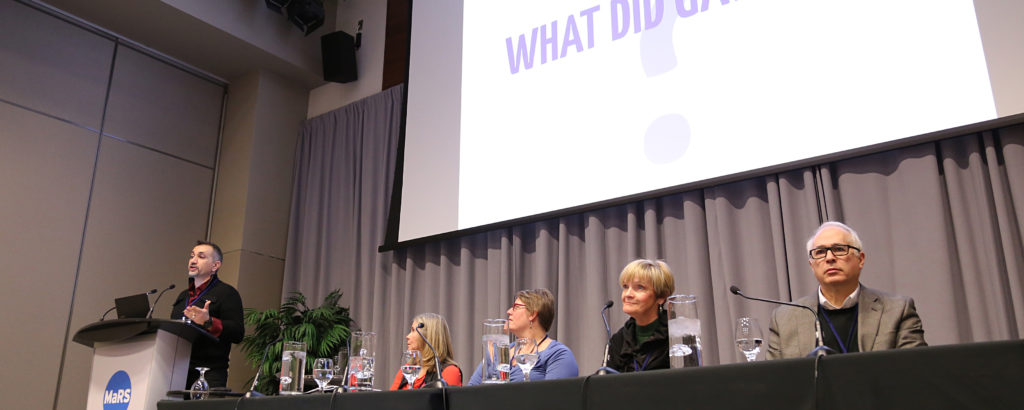
The demise of libraries has been predicted since the inception of the internet, but reports of their death have been greatly exaggerated. This panel addresses the impact of libraries in the community, and to the economy.
How can UX (User Experience) R&D work in digital publishing, and how can we use it to improve our products and processes?

Richard Nash explains how the publishing business is shifting from manufacturing to service, a change vastly more disruptive but also offering vastly greater opportunity than the shift from print to digital.

Matt Garrish talks about EPUB accessibility and conformance standards.

How well do you know the Canadian book buyer? At this session, BookNet Canada’s Noah Genner and Pamela Millar present key findings from BNC’s recent consumer research studies.

Learn how over 250 publishers, indie authors, and small presses are incorporating NetGalley into their marketing and publicity activities.

How do we respond to the narrowing of the reader-writer gap engendered by the internet’s plurality of communities? The only way we can: by trying to understand the change.

Books are set to become the next big forum for public thinking — as readers begin sharing their ideas and arguing in the margins. How will this transform the way we read, discover, and enjoy books?

Myles Fuchs presents useful insights and various “entry points” to digital publishing for iOS and Android apps, ebooks for leading platforms, and to the web from single source content.
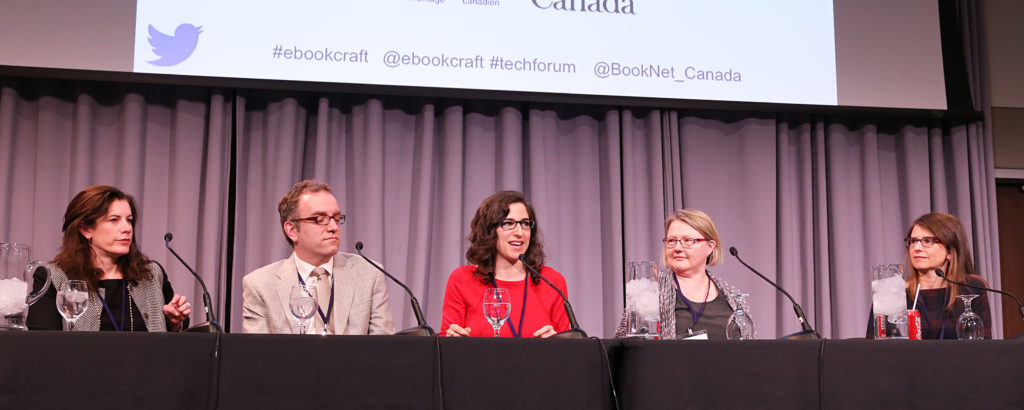
As publishers, we’ve become experts at managing change, and in some cases we’ve come to embrace it. We’re no longer just experimenting; we’re strategizing and planning for the future.