

How well do you know the Canadian book buyer? At this session, BookNet Canada’s Noah Genner and Pamela Millar present key findings from BNC’s recent consumer research studies.
2014

Learn how over 250 publishers, indie authors, and small presses are incorporating NetGalley into their marketing and publicity activities.

How do we respond to the narrowing of the reader-writer gap engendered by the internet’s plurality of communities? The only way we can: by trying to understand the change.

Books are set to become the next big forum for public thinking — as readers begin sharing their ideas and arguing in the margins. How will this transform the way we read, discover, and enjoy books?

Myles Fuchs presents useful insights and various “entry points” to digital publishing for iOS and Android apps, ebooks for leading platforms, and to the web from single source content.
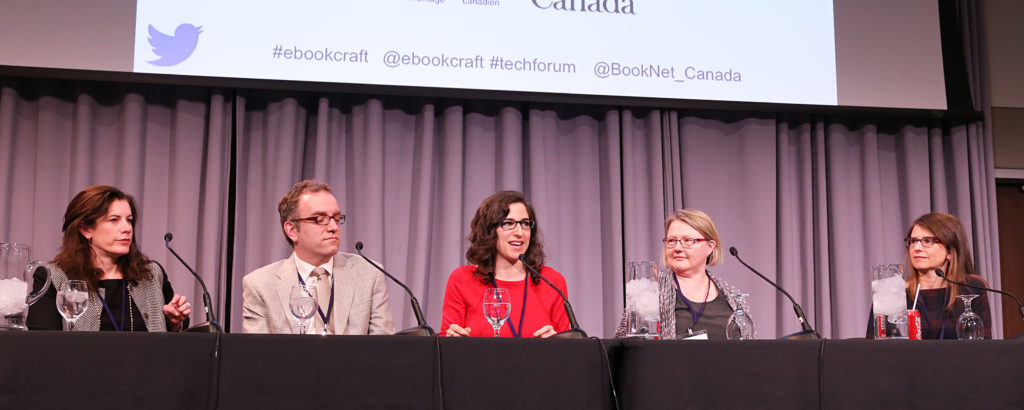
As publishers, we’ve become experts at managing change, and in some cases we’ve come to embrace it. We’re no longer just experimenting; we’re strategizing and planning for the future.
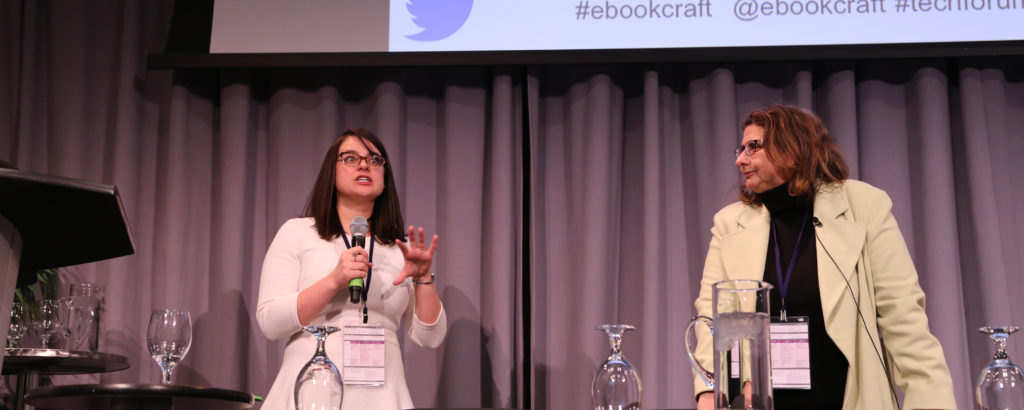
Wattpad and Sourcebooks have tested out a number of publishing experiments together, and in this session, they reveal what they’ve learned.

What does a digital-native comic look like? How does the graphic narrative form benefit from techniques like responsive design, and tools like version control systems and APIs?

Len Vlahos (BISG) highlights results from Student Attitude reports, diving deep into how U.S. college students acquire, use, and interact with course material in both print and digital format.
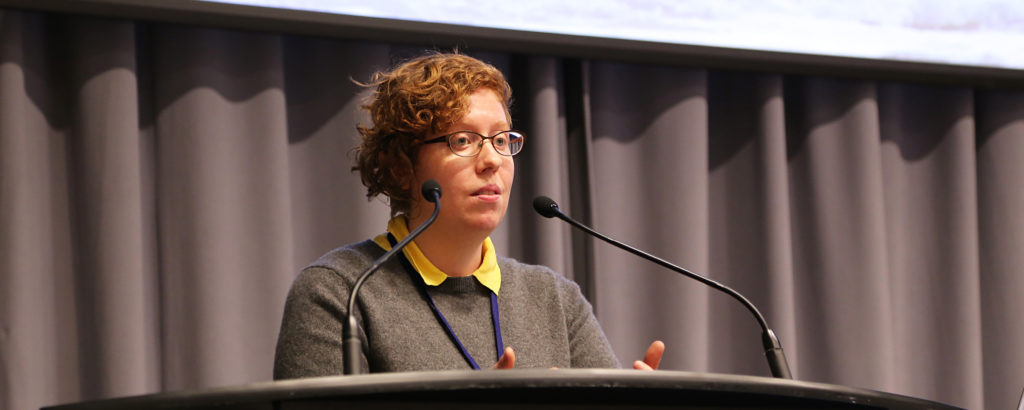
Using a combination of improved data input and CataList’s excellent edit function, you can quickly and easily take the data you have and make your CataList pages informative, beautiful, and clean.

Supersize your sales data basics by looking at how successful businesses leverage their data, how to use numbers to answer your questions, and how use your data for experimentation and flexibility.
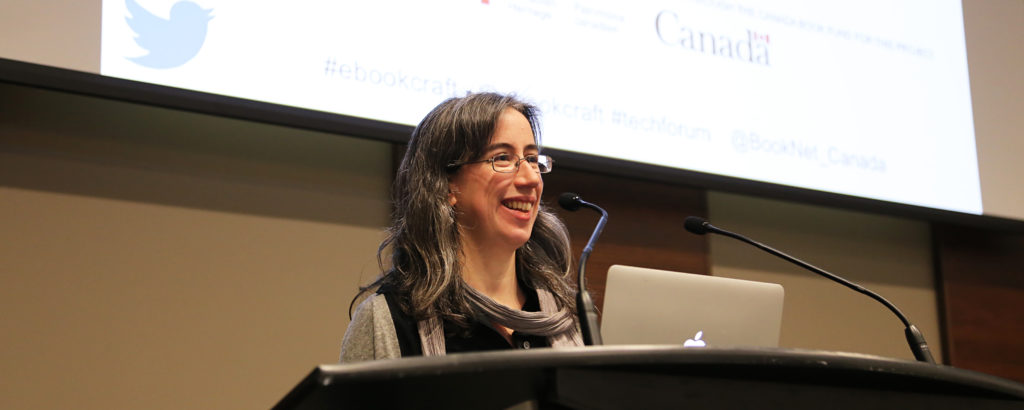
Liza Daly makes a case for clean ebook markup.