

By thinking about books in terms of the competition for a customer’s time and as a leisure activity, we may be able to capitalize on some of digital’s natural advantages.
2014

It’s not just the book industry that’s dealing with a challenging retail landscape: across the country, retailers are grappling with consolidation in the trade, the shift to online shopping, and more.
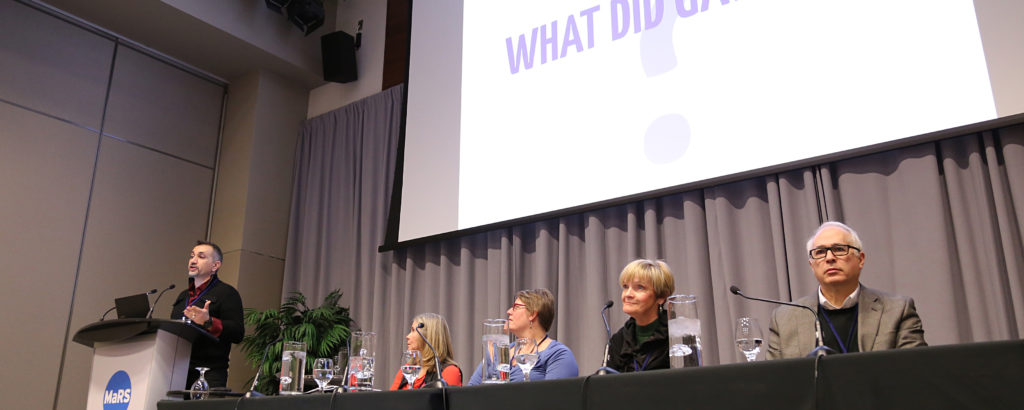
The demise of libraries has been predicted since the inception of the internet, but reports of their death have been greatly exaggerated. This panel addresses the impact of libraries in the community, and to the economy.
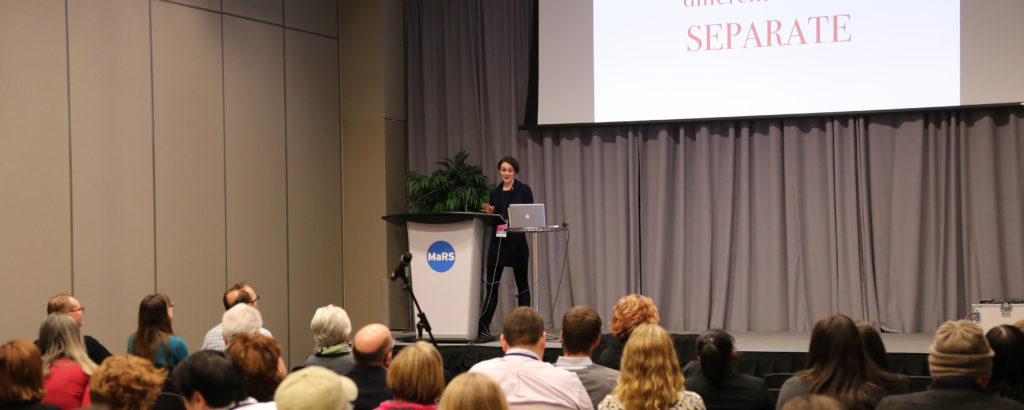
While the dream of a single metadata feed for all product forms still eludes us, there are ways that you can streamline the process of creating and updating the records for different formats in BiblioShare.
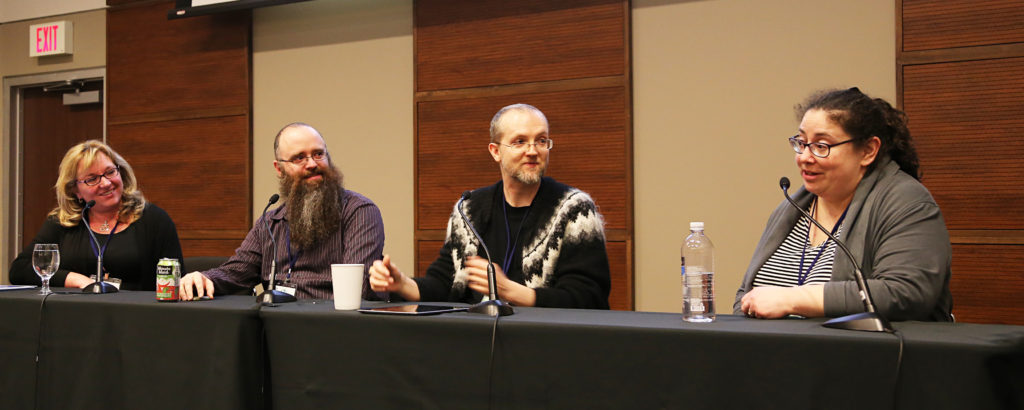
Our panel covers the state of standards compliance and speculates on the best path forward.

It’s time to think about upgrading your metadata to support Thema and ONIX 3.0.
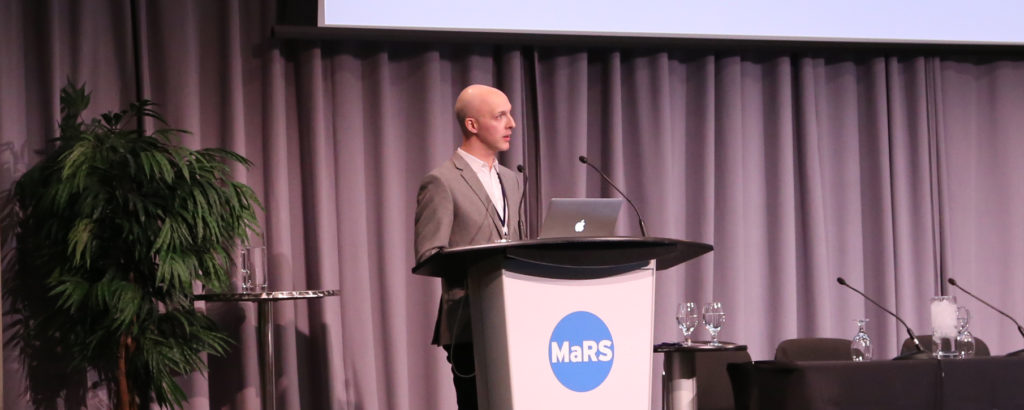
What talents and sensibilities must publishers seek, and should they be hiring from outside industries, cultivating those skills in-house, investing in educational programs, or all three?
Explore digital art book projects that worked well or not so well. You’ll leave with a better understanding of what art book publishers want and how to give it to them.

We’re all familiar with — one representation of an underlying data model. Learn about other possibilities — for example JSON, other forms of RDF, and discuss why there’s no one right expression.
How can UX (User Experience) R&D work in digital publishing, and how can we use it to improve our products and processes?

Richard Nash explains how the publishing business is shifting from manufacturing to service, a change vastly more disruptive but also offering vastly greater opportunity than the shift from print to digital.

Matt Garrish talks about EPUB accessibility and conformance standards.