
Join InDesign-to-EPUB expert Anne-Marie Concepción as she reveals the power under InDesign’s EPUB 3 hood for reflowable and fixed-layout EPUBs.
Ebooks
132 results
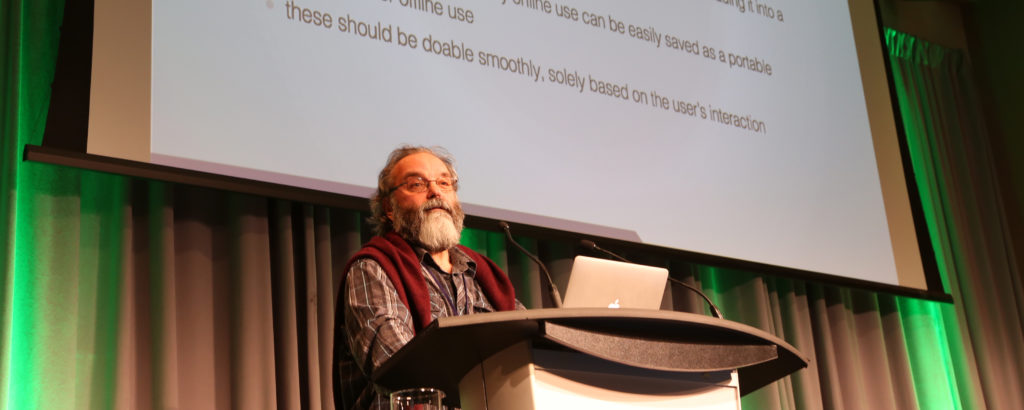
Bringing together the web and digital publishing communities
- March 11, 2015
This presentation gives a short overview of the achievements of the W3C Digital Publishing Interest Group task forces, as well as the longer-term vision on where this cooperation may lead us.
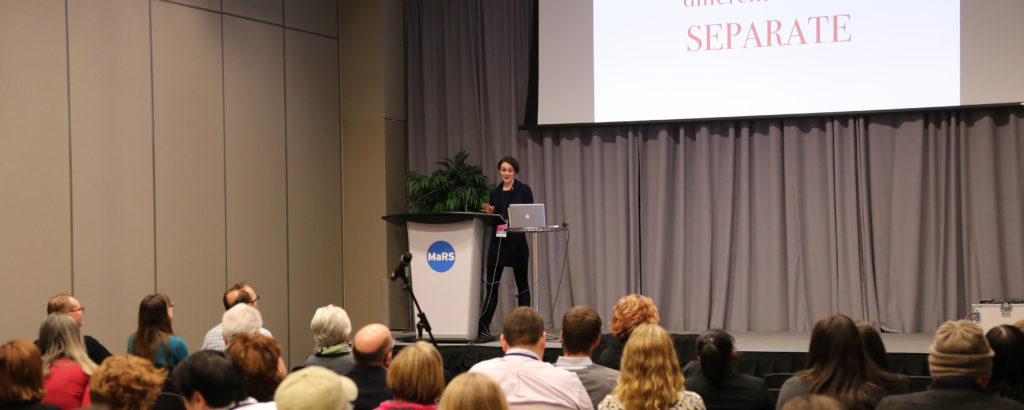
While the dream of a single metadata feed for all product forms still eludes us, there are ways that you can streamline the process of creating and updating the records for different formats in BiblioShare.
Crafting the art (e)book
- March 5, 2014
Explore digital art book projects that worked well or not so well. You’ll leave with a better understanding of what art book publishers want and how to give it to them.
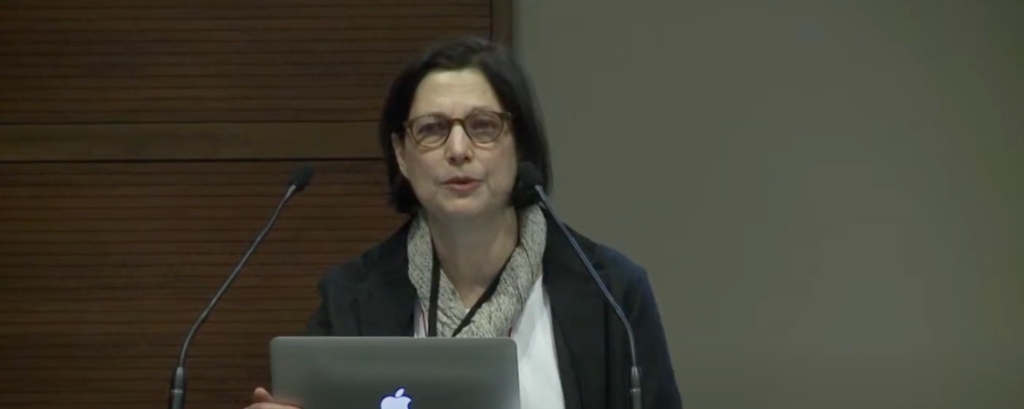
How can UX (User Experience) R&D work in digital publishing, and how can we use it to improve our products and processes?

Matt Garrish talks about EPUB accessibility and conformance standards.

Myles Fuchs presents useful insights and various “entry points” to digital publishing for iOS and Android apps, ebooks for leading platforms, and to the web from single source content.
What does a digital-native comic look like? How does the graphic narrative form benefit from techniques like responsive design, and tools like version control systems and APIs?

Len Vlahos (BISG) highlights results from Student Attitude reports, diving deep into how U.S. college students acquire, use, and interact with course material in both print and digital format.
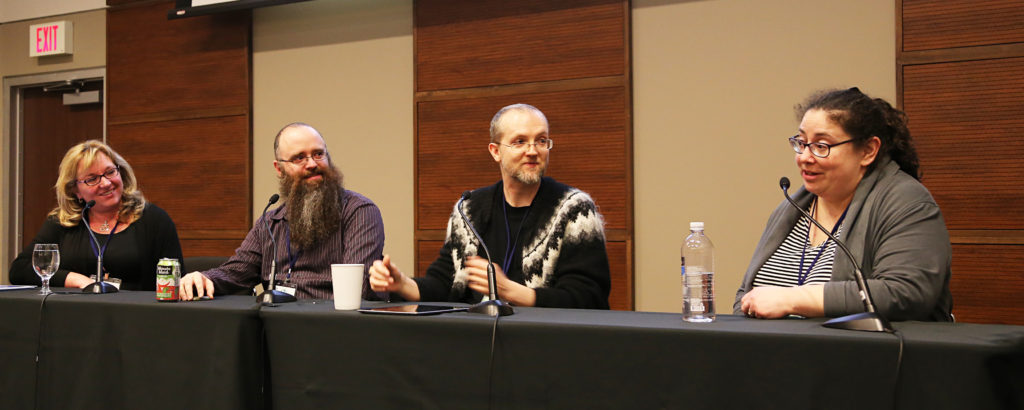
Our panel covers the state of standards compliance and speculates on the best path forward.
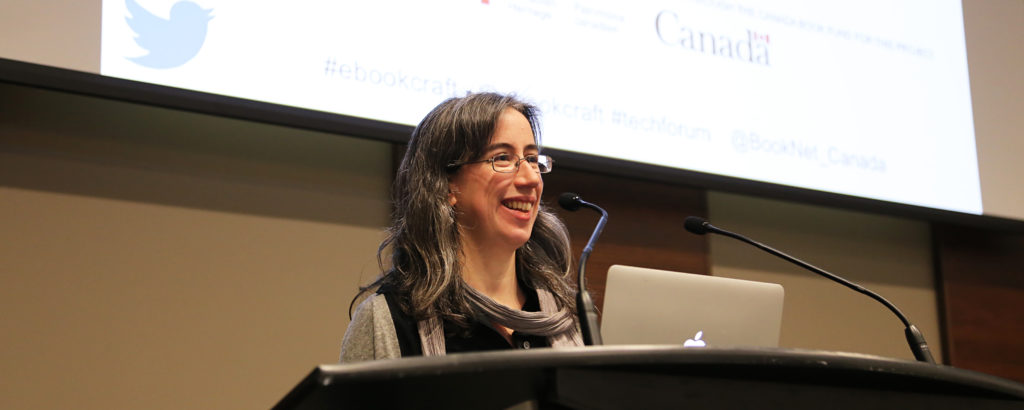
Liza Daly makes a case for clean ebook markup.
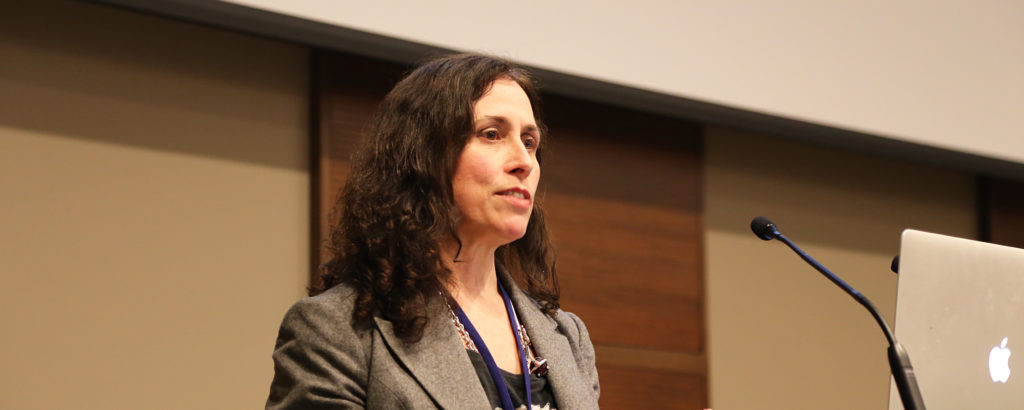
A narrative future in augmented reality
- March 5, 2014
This session outlines some of the experiments with future forms of the book currently underway in Fisher’s Augmented Reality Lab at York University.