
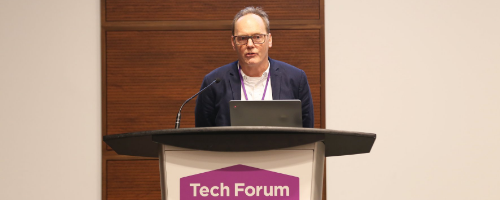
Tim Middleton (BookNet Canada) shares how with 3 million records (and counting), BNC BiblioShare has grown into the go-to source for quality-assured book data in Canada.
tech forum
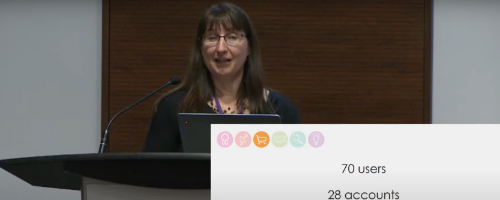
Carol Gordon (BookNet Canada) provides a first-hand look at the latest upgrades to the BNC CataList system and shares some of the new developments planned for 2019.
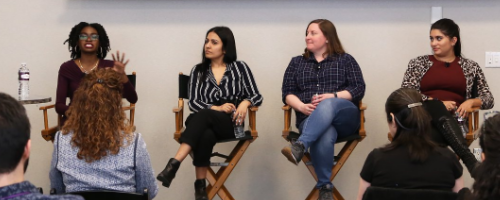
How do we shift from “gatekeeping” towards “spacemaking”: a process that solicits, supports, and develops the work of marginalized writers and professionals?
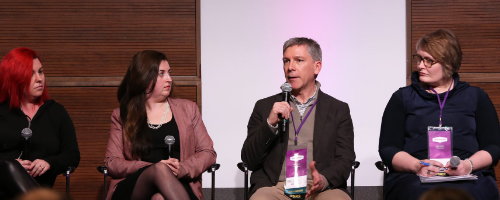
These panelists have one goal: Get more books into the hands of readers. They talk about their efforts in working together to support book sales in ways that are creative, collaborative, and constructive.
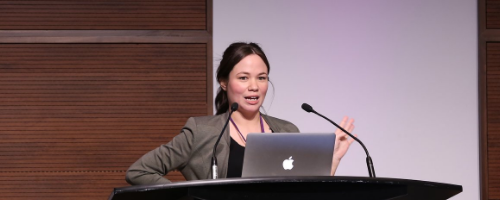
A case study of moving an online bookstore from one website to another — an epic tale, including the unexpected problems they encountered along the way and how they were solved or are being solved.
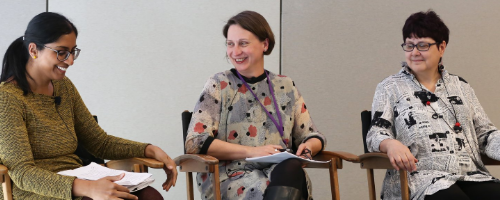
Learn how Penguin Random House Canada adopted an audio-first strategy, hired Canadian acting talent, and recorded in studios both in-office and across the country.
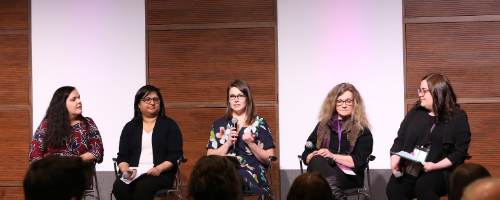
In this panel, library staff share their latest data-driven initiatives that are revolutionizing collections and patron management to increase efficiencies, insights, and opportunities.

In this highly practical session, Ritu Bhasin draws on the latest neuroscience and leadership research to explore how discomfort with differences manifests within the publishing industry.
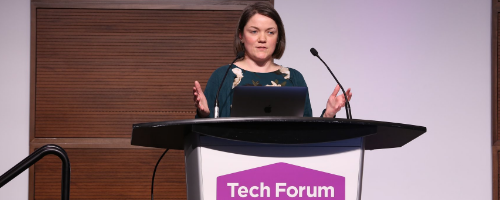
Over the summer of 2018, the Association of Canadian Publishers conducted a baseline survey to measure the diversity of the Canadian book publishing workforce. This session shares the highlights.

Jordyn Martinez (Simon & Schuster Canada) demonstrates how to sift through the piles of data — from backlist and comp sales to forecasting popularity — to find the pieces that will really sell your book.
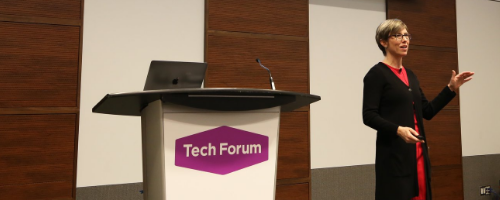
Can machines improve the storytelling process? Monica Landers and Mary Brendza (StoryFit) show how an AI-powered analysis can help storytellers visualize their stories and share real-life examples to support publishing decisions.
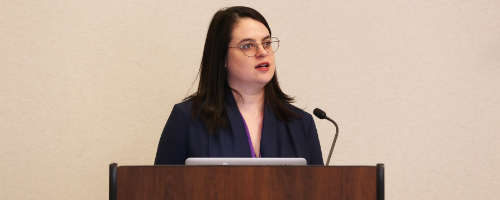
Ashleigh Gardner (Wattpad) talks about how new technologies — such as machine learning — are creating new opportunities to discover and publish marginalized voices.