
Content Library
Learn how Penguin Random House Canada adopted an audio-first strategy, hired Canadian acting talent, and recorded in studios both in-office and across the country.

Léonicka Valcius and Anyka Davis interrogate and rethink in-house processes and assumptions that come before publication date, including acquisitions, audience identification, setting sales expectations and budgets, and more.

Spiders, chatbots, and the future of metadata: A look inside the BNC BiblioShare sandbox
- March 24, 2017
BookNet’s BiblioShare database now holds over 2 million public records – what are we doing with all that bibliographic data?
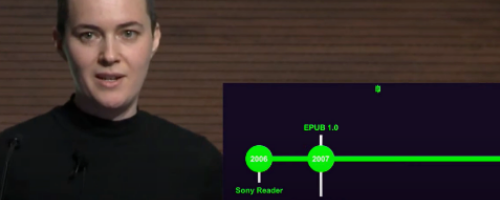
Nellie McKesson (Hederis) explains the problems that publishers are facing, and how web-based pagination can offer a solution.

By working with startup companies, legacy companies can acquire new lines of business, increase strategic risk-taking, spark innovation, improve their relationships with customers, and streamline their operations.

Using the context of his experience as both a publisher and within an all-you-can-read service, Nathan Hull will explore why providing less choice might actually be of more value to the reader.

A crisis management lens for #metoo and the media industry
- March 20, 2019
Using case studies related to the #MeToo movement and the publishing industry. Melissa Mack (Witt O’Brien) demonstrates how the principles of Crisis Management can be used to mitigate consequences of all types of crises.

Insights into the US and Canadian tariffs.

XSLT 3 for EPUB and print
- March 18, 2019
Learn about using XSLT to produce EPUB2 and EPUB3 books from XML or XHTML input as well as PDF for print with CSS or XSL-FO.

Audiobooks in Canada
- June 12, 2020
Arm yourself with the latest research and insights from BookNet Canada and its partners relevant to the audiobook market.

When ebooks make a publisher’s dream of never having books go out of print become a reality, what editorial, production, and technical obstacles arise?

We expect ebooks to work like the web, but they don’t. By learning about the reading systems we design for, we can start testing new powerful features and designing better reader experiences.