

Images can be the most frustrating formatting issue in eBook development. This session will give you practical information on how to make your images behave in different reading systems.
Search Results for:
395 results

The beauty behind ebooks: CSS
- March 10, 2015
This workshop will reveal practical use cases for designing an ebook with CSS.

Marvin is an ebook reader built in close collaboration with the reading community and is based on the premise that incredibly powerful mobile technologies can be used to create richer reading experiences.

Richard Nash explains how the publishing business is shifting from manufacturing to service, a change vastly more disruptive but also offering vastly greater opportunity than the shift from print to digital.

Getting to know the Canadian book buyer
- March 6, 2014
How well do you know the Canadian book buyer? At this session, BookNet Canada’s Noah Genner and Pamela Millar present key findings from BNC’s recent consumer research studies.

How do we respond to the narrowing of the reader-writer gap engendered by the internet’s plurality of communities? The only way we can: by trying to understand the change.

Books are set to become the next big forum for public thinking — as readers begin sharing their ideas and arguing in the margins. How will this transform the way we read, discover, and enjoy books?

Myles Fuchs presents useful insights and various “entry points” to digital publishing for iOS and Android apps, ebooks for leading platforms, and to the web from single source content.
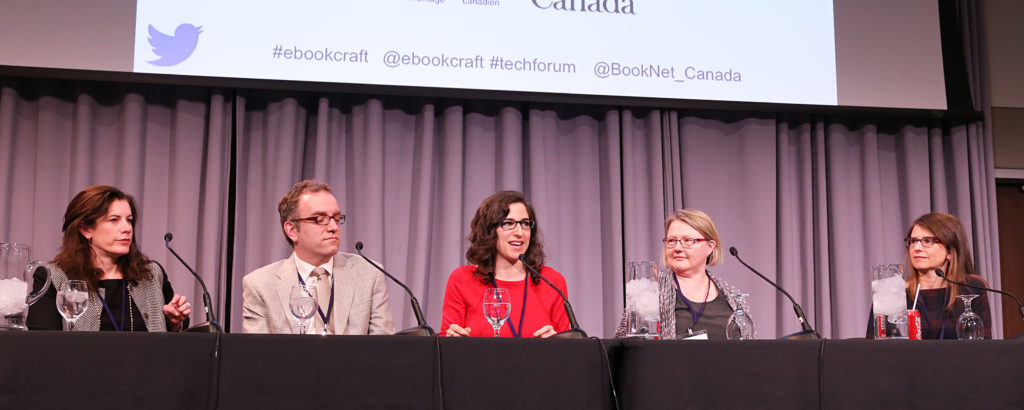
As publishers, we’ve become experts at managing change, and in some cases we’ve come to embrace it. We’re no longer just experimenting; we’re strategizing and planning for the future.
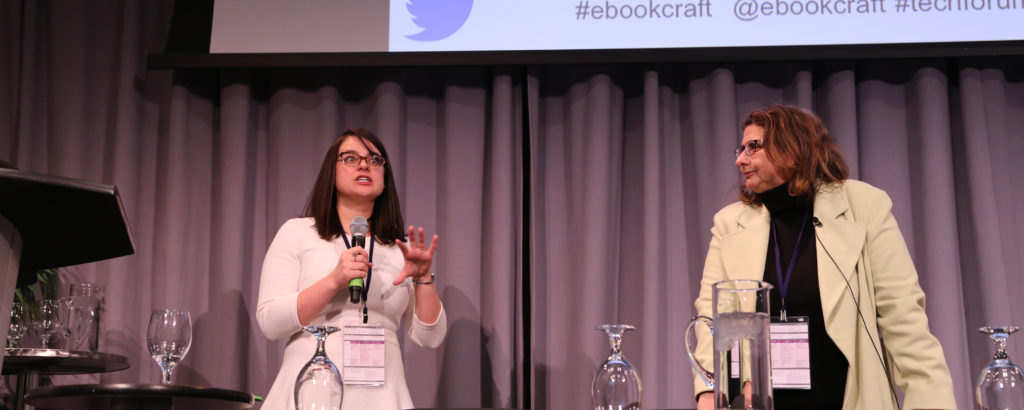
Wattpad and Sourcebooks have tested out a number of publishing experiments together, and in this session, they reveal what they’ve learned.