
Speccing the void: Adventures in the audiobooks abyss
- March 20, 2019
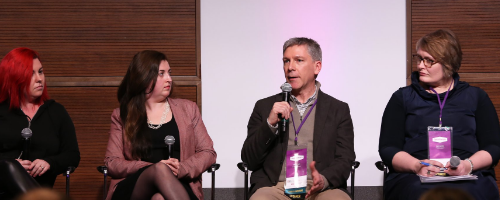
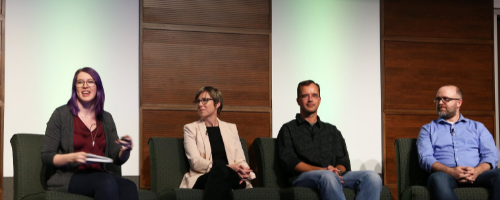
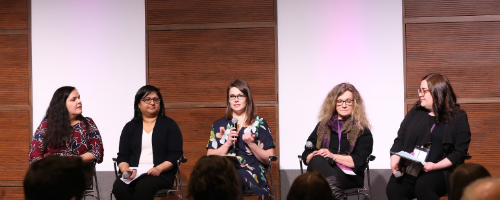
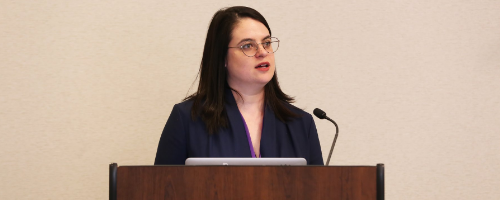
This presentation introduces everyone to the process of creating something where there wasn’t something before, and demoing what has been done so far for the audiobook spec.
This presentation introduces everyone to the process of creating something where there wasn’t something before, and demoing what has been done so far for the audiobook spec.
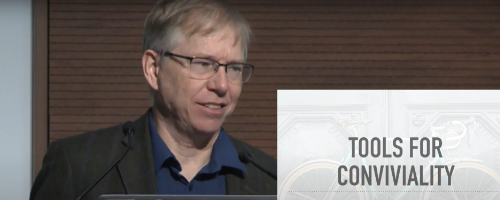
What might the future of ebooks look like? Are Web Publications real? This session is part history lesson, part unhinged rant, part futile attempt to predict the future.
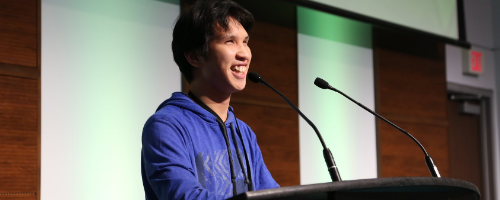
Accessibility and Usability Consultant, Ka Li, from the National Network for Equitable Library Service, talks about how accessibility features are used (or can’t be used) by people with print disabilities.
From the definition of accessibility requirements, to the actual production, to testing and metadata editing, accessibility needs to be taken into account through the entire production workflow.
These panelists have one goal: Get more books into the hands of readers. They talk about their efforts in working together to support book sales in ways that are creative, collaborative, and constructive.
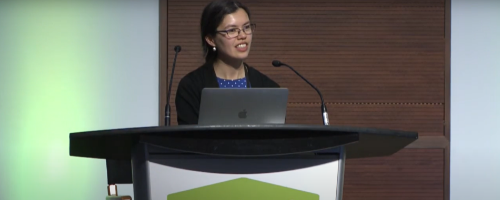
In this talk, Teresa Elsey (Bridge International Academies) answers the question: “How does my company build ebooks that will still work in two years, or five, or ten?”
The panelists share their different approaches to applying ML/AI at their companies, highlighting both strengths and limitations, as they consider a vision of a more automated publishing workflow.
In this panel, library staff share their latest data-driven initiatives that are revolutionizing collections and patron management to increase efficiencies, insights, and opportunities.

In this highly practical session, Ritu Bhasin draws on the latest neuroscience and leadership research to explore how discomfort with differences manifests within the publishing industry.
Ashleigh Gardner (Wattpad) talks about how new technologies — such as machine learning — are creating new opportunities to discover and publish marginalized voices.

Chris Saynor (EDItEUR) shares how Thema, the subject category scheme for the global book trade, can be used to identify and improve the discoverability of titles suitable for a more diverse and inclusive audience.
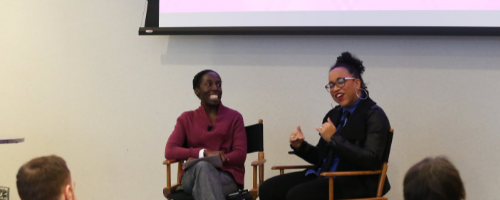
Jennifer Baker (Minorities in Publishing podcast) interviews author and founder of the Festival of Literary Diversity, Jael Richardson, on craft, publishing, and formulating equity within the literary community.